A powerful 7.7 magnitude earthquake struck near the China-Myanmar border in the early hours of the morning, waking millions of people and causing widespread damage in three countries.
This earthquake, one of the strongest in the region in years, has left dozens dead, hundreds injured, and many more believed to be trapped under rubble.
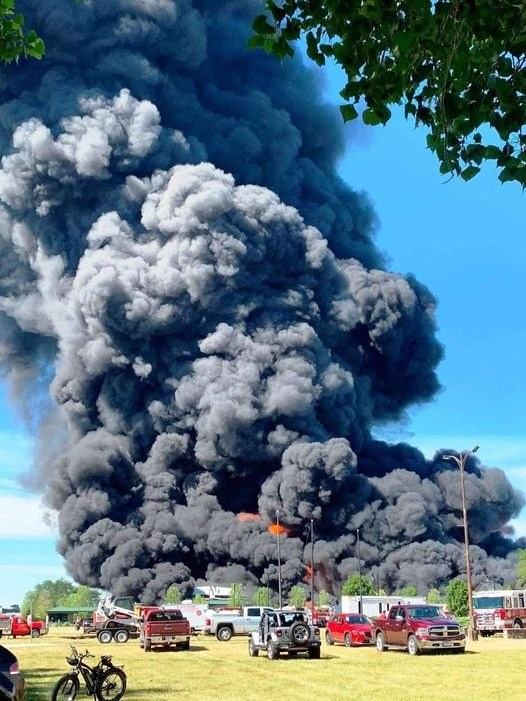
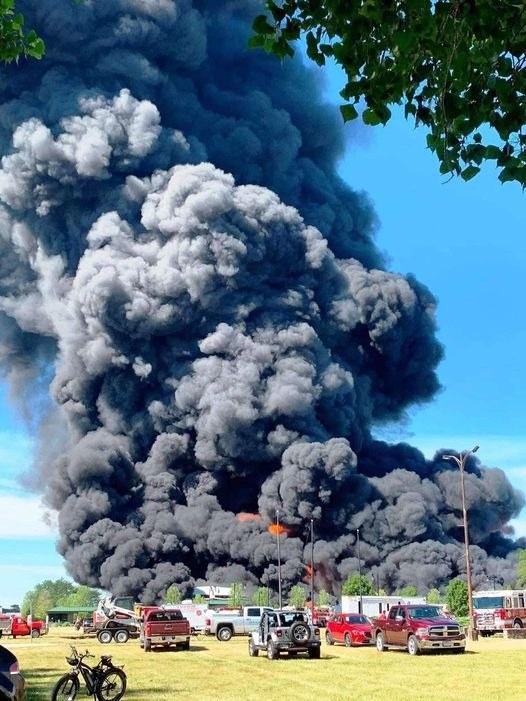
The moment of explosion:
According to the U.S. Geological Survey, the earthquake’s epicenter was just 10 kilometers below the surface, a very shallow depth that amplified its destructive power. The tremors spread rapidly across southern China, northern Thailand, and much of Myanmar. Witnesses described the ground shaking so violently that it was impossible to stand.
In border towns, residents recounted being woken by a deafening roar from beneath the earth. “At first, it felt like a truck was driving by,” said one survivor in Yunnan province. “Then the walls cracked, beds slid across the room, and we ran barefoot into the street.”
Entire villages in Myanmar’s Shan State collapsed within minutes. In northern Thailand, cities like Chiang Rai and Chiang Mai suffered extensive damage to older buildings. Terrified villagers fled into open fields as a powerful aftershock struck.
Chaos and fear erupted.
What had been a calm city turned into a disaster zone overnight. Streets were buried under rubble, windows shattered, and roofs collapsed. Families huddled in open fields, clinging to children and elderly relatives, too afraid to return to their homes.
Videos circulating online showed horrifying scenes: buildings shaking violently, chandeliers swinging like pendulums, and storefronts collapsing as crowds screamed in panic. An ancient temple in Chiang Mai suffered cracks, while in Mandalay, an entire apartment building collapsed.
The death toll continues to rise.
Chinese and Myanmar authorities have confirmed dozens of fatalities, and the number is expected to climb as search operations expand. Hospitals are battling numerous seriously injured patients with broken limbs, fractured bones, and deep wounds.
Most worryingly, many people remain trapped under the rubble. Rescuers are scouring the debris with shovels, sticks, and even their bare hands while waiting for heavy machinery to arrive.
In rural areas near the epicenter, communications have been cut off, roads have collapsed, and landslides caused by the earthquake have blocked routes. This has caused significant delays in the delivery of much-needed aid.
International Rescue and Aid
Thousands of rescue workers, soldiers, and doctors have been deployed across China, Myanmar, and Thailand. Temporary shelters have been set up in schools and stadiums in Yunnan province to accommodate displaced people. Hospitals in Myanmar are pleading for blood and medical supplies donations as they struggle to cope with the large number of injured.
International organizations, including the Red Cross and the United Nations, have pledged assistance. Specialized rescue teams with sniffer dogs, mobile hospitals, and logistics units are being prepared for deployment. Neighboring countries have offered assistance, underscoring the urgent need for regional solidarity.
Reflections on Past Disasters
This earthquake has been compared to previous disasters in the region, including the 2011 Myanmar earthquake and the 2008 Sichuan disaster in China. Experts warn that substandard construction in rural villages, coupled with the region’s mountainous terrain and high population density, makes such events particularly life-threatening.
Seismologists note that the area sits on a complex fault system where the Indian and Eurasian tectonic plates collide. While earthquakes of this magnitude are infrequent, they are inevitable. The real challenge lies in preparedness and effective response.
Lives are shattered.
Survivors are facing unimaginable grief. Families frantically search for missing loved ones, checking lists in hospitals and makeshift morgues. In temporary shelters, children cling to their parents, sobbing with every aftershock. The elderly recount past disasters, but say this one is the most severe they have ever experienced.
A shop owner in Shan State gazes despairingly at the ruins of his business, saying, “We’ve lost everything – our homes, our jobs, our future. All we can do is wait for help.”
A Region of Tension
Even as rescue operations continue, fear remains high. Officials warn of aftershocks, landslides, dam collapses, or fires caused by ruptured gas pipelines. People are urged to stay outdoors or evacuate to higher ground if necessary.
The disaster has not only humanitarian but also economic consequences. Bridges, roads, and power networks have been severely damaged, cutting off trade and communications in key border regions. Experts warn that recovery will take years, further straining an already fragile economy.
A Plea for Unity
As night falls, rescuers continue to work under bright lights, their efforts interrupted by cries for help and sirens blaring. The coming days will determine how many lives can still be saved.
What is certain is that this 7.7 magnitude earthquake has left a permanent mark on the region. It is a poignant reminder of the raw power of nature and the need for preparedness, unity, and swift humanitarian assistance.
Now, the world waits and hopes—hoping that amidst the damage, strength will triumph, and that one day, shattered communities will rebuild stronger than ever.